Home
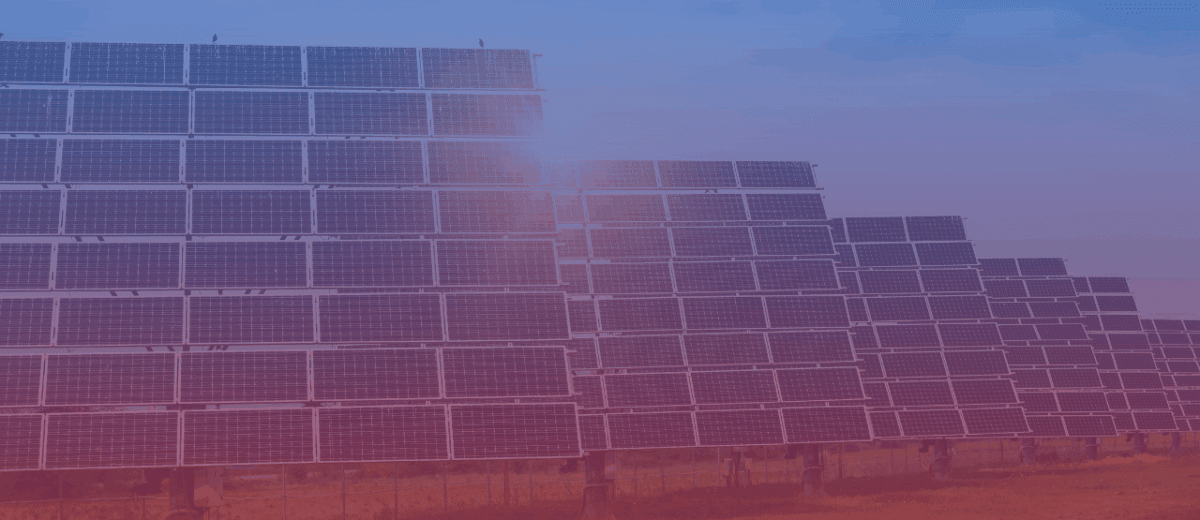
Clean energy is cheap to make. Outdated rules make it expensive to use.
Clean energy has never been more affordable to generate. But outdated rules — designed to protect utility profits and preserve the status quo — are still keeping energy bills high.
We are building a coalition to influence energy policy, hold utilities accountable, and lower costs for everyone.
The Gap Between Low-Cost Energy
and Your Monthly Bill
Solar, wind, and battery storage can produce electricity at some of the lowest costs available today. But most people do not see those savings reflected in their monthly bills, because the rules shaping the grid were built for a different era, before cheaper clean energy, before modern storage, and before communities had real alternatives.
The Challenge
Electricity prices rise when we rely on expensive fossil fuels with volatile global markets.
Too much power is generated far from where it is used, requiring massive transmission spending.
An aging grid requires costly upgrades, and utilities are incentivized to build more rather than operate smarter.
The Solution
Expand access to low-cost renewable energy sources like wind and solar to stabilize prices.
Support distributed energy resources like rooftop solar and local storage to reduce grid strain.
Invest in modern grid technologies that maximize efficiency before building expensive new infrastructure.

The Hidden Cost of Outdated Policies
Modern energy needs modern policy. Outdated policies keep costs high by creating avoidable barriers, including:
- Slow interconnection for cost-saving resources
- Regulatory uncertainty that discourages investment
- Incentives that reward spending more capital instead of delivering better outcomes
- Limited transparency in long-term planning and major rate decisions
Modernizing these rules is essential to lower bills and align the system with today’s technology and public needs.
Benefits of Policy Modernization
Smart policy focuses on outcomes, not infrastructure for its own sake. A modern, accountable energy system:
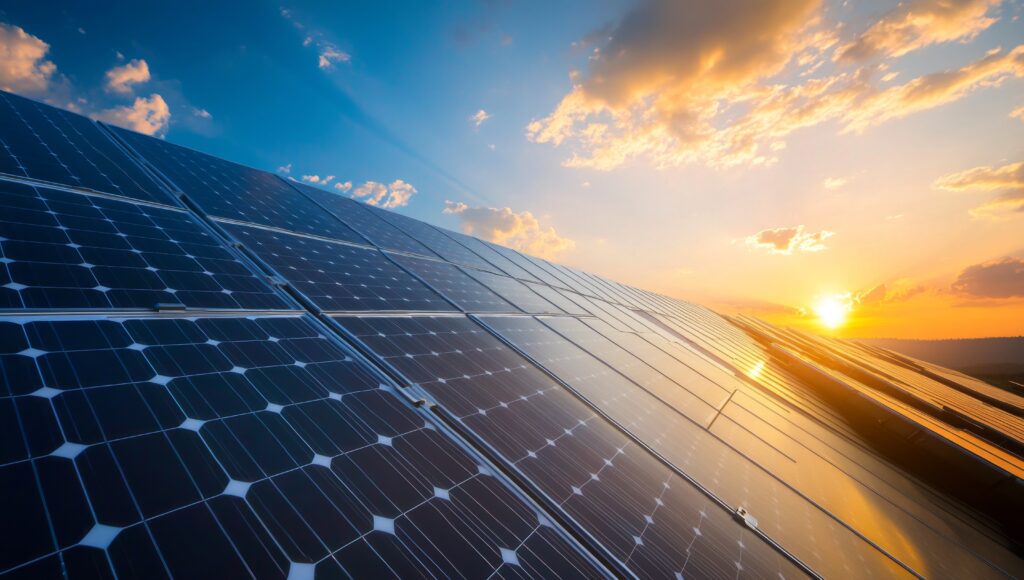
Solar and storage aren’t just environmental tools. When policy allows fair competition, they can be economic stability tools.
Stabilizes long-term costs for households and businesses
Encourages competition and innovation
Aligns utility profits with performance, not spending
Expands access to proven, cost-saving solutions

We Focus on the Customers & Communities
Most Impacted by Energy Decisions
Workers & Landowners
People whose jobs, income, or property are affected by energy development, infrastructure decisions, and long-term planning choices.
Policymakers & Regulators
Decision-makers committed to affordability, transparency, and accountability in the systems that shape electricity planning, pricing, and oversight.
Community Leaders
Local leaders working to protect residents and ratepayers while ensuring energy decisions reflect community needs—not just corporate priorities.
Households
Families facing rising energy burdens and unpredictable monthly bills—especially when cost increases outpace wages and household budgets.
Businesses
Small and large businesses managing overhead and planning for the future, where electricity costs can shape hiring, investment, and long-term competitiveness.
How You Can Take Action
Energy affordability isn’t abstract—it shows up every month on your bill. An affordable, accountable energy system depends on informed public participation. Share your story to show how policy affects customers →